Planning a wedding involves countless decisions, one of which is selecting the right catering service. Among the many choices, two main options stand out: buffet service and plated service. Each has its own set of advantages and disadvantages, impacting everything from cost and convenience to guest experience and presentation. This article will help you navigate these choices by exploring the details of both catering styles, ensuring your special day is both memorable and perfectly catered.
What is Buffet Service?
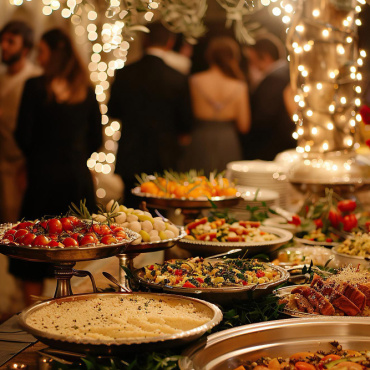
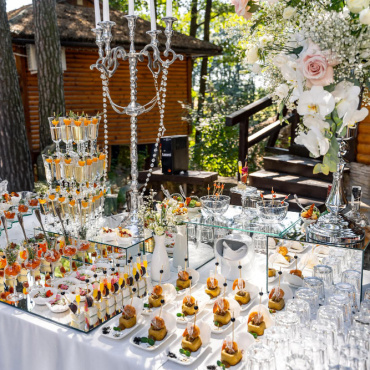
Buffet service is a popular catering style where food is laid out on a table, and guests serve themselves. This option is particularly appealing for couples who want to offer a wide variety of dishes and allow guests to choose their own portions. Buffets can range from casual and laid-back to elegant and upscale, depending on the wedding theme.
What Are the Advantages of Buffet Service?
- Greater Variety of Food Options: Buffets typically offer a wider selection of dishes compared to plated meals, catering to diverse tastes and dietary needs.
- Guests Can Choose Their Own Portions: This flexibility allows guests to take as much or as little food as they like, reducing food wastage.
- Potentially Lower Staffing Costs: With fewer servers required to wait on tables, the overall staffing costs can be lower.
- Casual, Relaxed Dining Atmosphere: Buffets create a more informal setting, encouraging guests to mingle and interact.
- Easier to Accommodate Dietary Restrictions: With multiple options available, guests can easily find something that suits their dietary needs.
What Are the Disadvantages of Buffet Service?
- Longer Lines and Wait Times: Guests may have to wait in line to serve themselves, which can be time-consuming.
- Potential for Food Waste: With guests serving themselves, there is a higher chance of food being wasted.
- Less Formal Presentation: Buffets tend to be less elegant and sophisticated compared to plated services.
- Requires More Space for Setup: Buffets need ample space for the food tables and serving stations.
- May Be Less Efficient for Large Guest Counts: Managing a large number of guests can be challenging with a buffet setup.
What is Plated Service?
Plated service, also known as sit-down dinner service, involves guests being served their meals at the table by waitstaff. This option is ideal for more formal or traditional weddings, offering a consistent dining experience and elegant presentation.
What Are the Advantages of Plated Service?
- Formal, Elegant Presentation: Plated meals are served with a touch of sophistication, enhancing the overall aesthetic of the wedding.
- Consistent Portion Sizes: Each guest receives the same portion, ensuring uniformity.
- More Controlled Service Timing: The catering team can better manage the timing of meal courses.
- Better for Formal or Traditional Weddings: Plated service aligns well with formal wedding themes.
- Less Food Waste: With controlled portions, there is typically less food waste.
What Are the Disadvantages of Plated Service?
- Higher Staffing Costs: More servers are needed to cater to each guest, increasing the overall cost.
- Limited Menu Choices for Guests: Guests usually have to choose from a pre-selected menu, which may not cater to all dietary preferences.
- Requires Accurate Guest Count and Meal Preferences in Advance: Plated service necessitates detailed planning and accurate RSVPs.
- Less Flexibility for Dietary Needs: Accommodating dietary restrictions requires advance notice and planning.
- Potentially Slower Service: Serving each guest individually can be time-consuming, especially with a large guest list.
What is the Comparative Analysis Between Buffet and Plated Service?
To help you decide which catering option is right for your wedding, here is a comparative analysis of key attributes between buffet and plated service:
| Attribute | Buffet Service | Plated Service |
| Cost | Potentially lower overall cost | Typically higher due to staffing |
| Convenience | Guests serve themselves | Guests are served by waitstaff |
| Guest Experience | Informal and interactive | Formal and personalised |
| Food Variety | Wide variety available | Limited to pre-selected options |
| Presentation | Less formal, more casual | Elegant and sophisticated |
| Service Speed | Can result in longer wait times | Generally quicker once service begins |
| Flexibility | High, easy to accommodate changes | Low, fixed menu needs pre-planning |
| Dietary Accommodations | Easier to accommodate various diets | Requires advance planning for special diets |
| Aesthetic Appeal | Casual and abundant | Formal and well-organised |
| Space Requirements | Requires more space for setup | Requires space for table service |
How Does Each Service Style Impact Guest Experience?
The guest experience can significantly differ based on the catering style chosen. Buffet service offers a more relaxed and interactive dining experience, allowing guests to mix and mingle while choosing their own food. This style is particularly beneficial for weddings aiming for a casual, fun atmosphere. On the other hand, plated service provides a formal and elegant dining experience, where guests are waited on, adding a touch of luxury and sophistication to the event.
What Are the Budget Considerations for Each Service Style?
Cost is a crucial factor in choosing between buffet and plated service. Buffet service can be more cost-effective due to lower staffing requirements, but it may require more food to ensure variety and abundance. Plated service, while typically more expensive due to higher staffing needs, offers controlled portions and less food waste. It is essential to balance these considerations against the overall wedding budget and desired guest experience.
What Are the Logistical and Planning Considerations for Each Service Style?
Logistics and planning differ significantly between buffet and plated service. Buffets require ample space for food tables and efficient flow management to prevent long lines. Plated service requires detailed planning of guest counts, meal preferences, and precise timing for serving courses. Both styles need careful coordination with the catering team to ensure smooth execution on the wedding day.
Which Wedding Catering Option Is Right for You?
Choosing between buffet and plated service depends on your wedding vision, budget, and logistical preferences. For a relaxed, informal atmosphere with diverse food options, a buffet service is an excellent choice. For a formal, elegant experience with controlled portions and presentation, plated service is ideal.
If you are looking for expert wedding catering services to make your special day unforgettable, consider Chickendale. Our experienced team can help you design the perfect menu and service style to suit your wedding vision.
References:
- WeddingWire: Buffet vs. Plated: What’s the Difference?
- Brides: Buffet vs. Plated Meals at Weddings
- The Knot: Wedding Reception Meal Styles
- Easy Weddings: Wedding Catering – Buffet or Plated?
By following these steps, you can make an informed decision that aligns with your wedding goals and ensures a delightful dining experience for your guests.
FAQs on Buffet or Plated Service: Which Wedding Catering Option Is Right for You?
- What factors should I consider when choosing between buffet and plated service for my wedding?
When deciding between buffet and plated service, consider the following factors:
- Budget: Buffets can be more cost-effective due to lower staffing requirements, while plated services typically involve higher staffing costs.
- Guest Experience: Buffets offer a casual and interactive dining experience, while plated service provides a formal and elegant atmosphere.
- Food Variety: Buffets allow for a wider variety of dishes, catering to diverse tastes, whereas plated services offer limited menu options.
- Venue Space: Buffets require more space for setup and guest movement, while plated services need sufficient space for table service.
- Event Style: Choose buffet service for a relaxed, informal wedding and plated service for a traditional, formal event.
- How does the guest count affect my decision between buffet and plated service?
The guest count significantly impacts your decision:
- Buffet Service: Better suited for medium to large weddings where guests can serve themselves, but may result in longer lines and wait times.
- Plated Service: Ideal for smaller to medium-sized weddings, ensuring each guest receives individual attention. For large weddings, the increased number of servers required can raise costs and complexity.
- Are there any dietary accommodation differences between buffet and plated service?
Yes, dietary accommodations differ between the two:
- Buffet Service: Offers greater flexibility as guests can choose from a variety of dishes, making it easier to accommodate different dietary needs.
- Plated Service: Requires advance planning to ensure dietary restrictions are met, which can be less flexible but ensures specific needs are addressed.
- How does the service style impact the overall wedding timeline?
The service style affects the timing and flow of your event:
- Buffet Service: Generally takes longer as guests need to serve themselves, which can delay the start of other wedding activities.
- Plated Service: Allows for more controlled timing, as servers manage the meal pace, ensuring a smoother transition between courses and other event segments.
- Which service style is more suitable for an outdoor wedding?
Both service styles can work for outdoor weddings, but consider these points:
- Buffet Service: Suitable if the venue has ample space and facilities for a buffet setup. Weather considerations and insect control are crucial.
- Plated Service: Often preferred for outdoor weddings due to controlled service and presentation. Requires a tent or covered area to maintain food quality and comfort.
- Can I mix buffet and plated service for different parts of the wedding?
Yes, a mixed approach can be an excellent way to balance the advantages of both:
- Combination: Serve appetisers or desserts buffet-style while offering a plated main course. This approach provides variety and maintains a formal dining experience.
- Considerations: Ensure the venue and caterers can accommodate this setup, and communicate clearly with guests to manage expectations.
By addressing these FAQs, you can further refine your decision-making process and choose the catering style that best fits your wedding vision and logistical needs. For expert assistance in planning your wedding catering, consider reaching out to Chickendale for exceptional service and tailored solutions.